
The Lost Beauty of the Tragic
I think modern people have an undercurrent of shame because of our failure to live up to our demands for constant happiness and positivity. This shame is like a sleepwalking giant underground, a looming presence that terrifies us but we cannot name or see. We refuse to acknowledge our own losses and sadnesses because we have deemed unhappiness to be a disease to eradicate.

Design & Capital
There exists a kind of artistic purity concept around money for the average creative person. We believe that the purest form of expression is free, not monetized, not tied to capital or ownership, and definitely not sold or distributed or marketed. The problem with this is that in design, the #1 way that people interface with design is through products created through business that they purchase in one way or another.
On Judgment
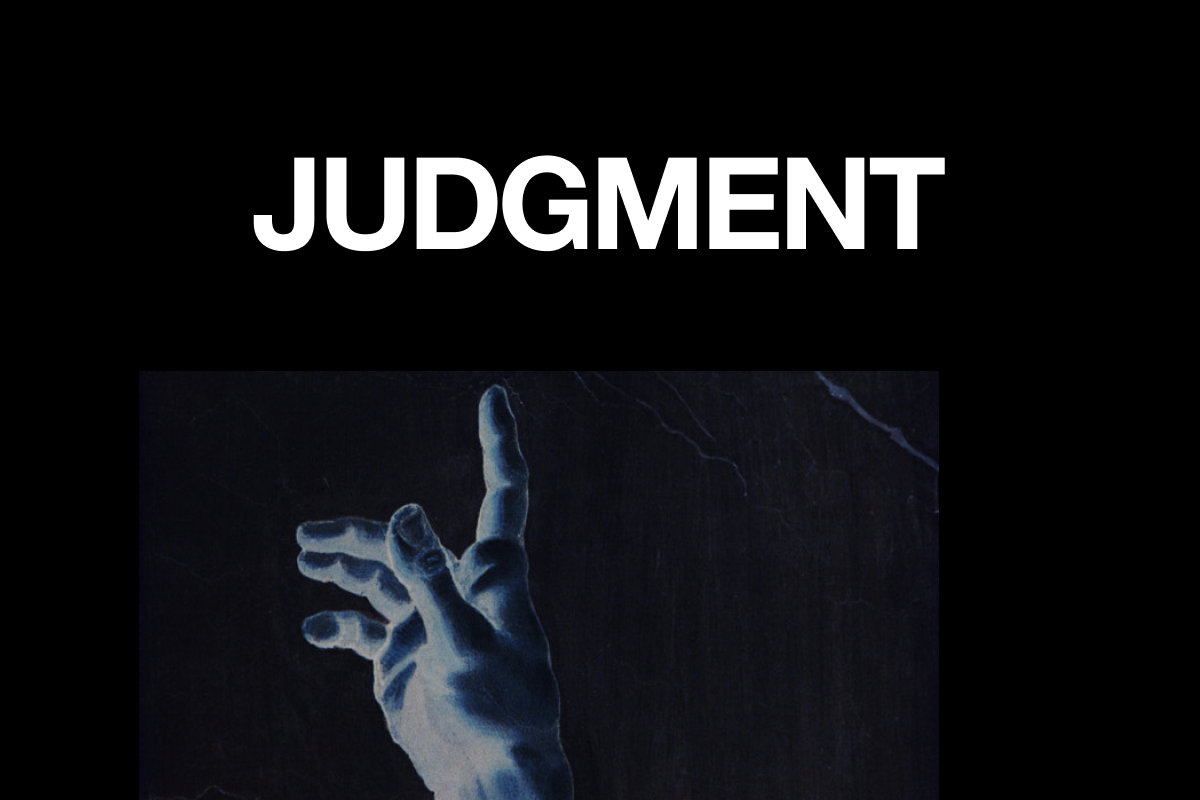
We can’t fully eliminate judgment despite our best efforts to appear objective and rational and it deeply disturbs us. We seek to hide from judgment at all costs, obfuscating it below 7 layers of decisions involving numbers to give us a drugging of sorts that in our confused and appeased state we can hazily feel as though objectivity was done here, that rationalism was performed, that truth exists when numbers are used and that surely, we have arrived at it.
TASTE
How we judge the meaning of cultural objects begins innocently enough: merely on one’s own taste. But upon further examination we are in fact delving into a mess of culture, sociology, economic status, and linguistic meaning. Rather than pretending I can contribute originally to this long studied topic, instead, I will examine the history and leading theories on what it is we mean when we discuss the thing we’re referring to when we use words like “taste” and “preference”.
JUDGMENT
One of the most important distinguishing factors of defining design as a practice distinct from others is the human use of judgment. Judgment takes a holistic view of all a human being’s experiences and culminates in decisions which can precede or overrule rational stepwise decision making. This is a mysterious and difficult to examine faculty that is also so critical to understanding how designers work. In this article I attempt to define judgment as it relates to design and review the best research and writing on this topic.